What Happens to Sales When Your Brand Stops Keeping Up
By Jaci Russo | CEO & Co-Founder, brandRUSSO
Every business owner has had that meeting.
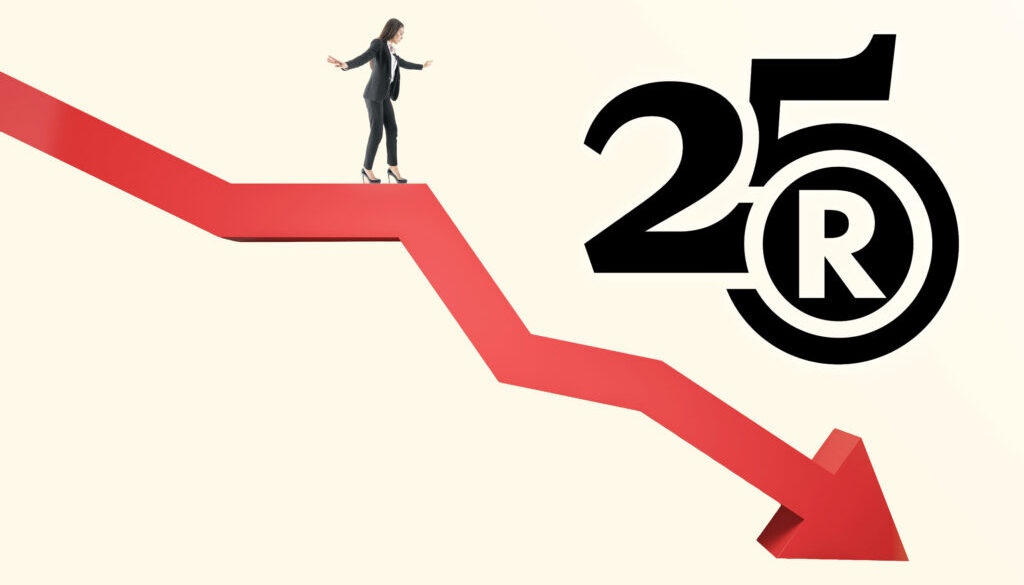
Sales are softer than expected. Leads aren’t converting the way they used to. Competitors seem to be winning projects that should have been yours. Everyone gathers around the conference table, coffee in hand, ready to solve the mystery. The conversation eventually lands where it almost always does. Maybe we need more advertising. Maybe we need another salesperson. Maybe marketing should post more on LinkedIn. Someone inevitably suggests a website redesign, which is the business equivalent of deciding a new haircut will solve your life problems.
Now, to be fair, sometimes those things are exactly what’s needed. But after working with businesses for more than two decades, I’ve learned that declining sales are often blamed on the wrong culprit. Sometimes the problem isn’t your sales team. Sometimes it isn’t your pricing, your product, or your competition. Sometimes your brand simply hasn’t kept pace with the company you’ve become.
Your Business Changed. Your Brand Didn’t Get the Memo.
Businesses evolve much faster than their brands do. That’s perfectly normal because growing a company tends to take priority over talking about it. You introduce new services, invest in technology, hire talented people, expand into new markets, and solve bigger problems for bigger clients. Somewhere along the way, your business becomes substantially better than it was five or ten years ago.
Meanwhile, your website is still describing the company you used to be. Your messaging still emphasizes services that are no longer your biggest strength. Your sales materials haven’t caught up to your current capabilities, and your visual identity quietly reminds people of a different chapter in your company’s story.
The frustrating part is that leadership knows how much the company has evolved. Customers who have worked with you for years know it too. New prospects, however, only know what your brand tells them. If your brand is introducing yesterday’s company while your team is delivering today’s expertise, every sales conversation begins with an unnecessary disadvantage.
An Outdated Brand Makes Sales Work Harder Than They Should
One of my favorite questions to ask sales teams is, “What do you find yourself explaining over and over again?”
The answers are surprisingly consistent.
“We’re bigger than people realize.”
“We actually do a lot more than that.”
“People think we’re only for small companies.”
“They’re surprised when they see the kinds of clients we work with.”
Those aren’t sales problems. They’re branding problems.
When your brand accurately reflects your business, your sales team spends less time correcting assumptions and more time building relationships. Prospects arrive with a clearer understanding of who you are, what makes you different, and why they should keep listening. That’s a much better place to start than spending the first twenty minutes undoing misconceptions created by outdated messaging.
Buyers Decide Before Sales Ever Gets Involved
Today’s buyers don’t wait for a sales meeting to form an opinion. By the time someone schedules a call, they’ve probably visited your website, searched your leadership team, read reviews, browsed your LinkedIn page, and compared you with several competitors. They’ve already started deciding whether your company feels credible, experienced, and relevant.
If your brand hasn’t kept up with your business, those early impressions can quietly work against you.
Your company may have invested millions in better technology, stronger talent, expanded capabilities, or improved customer service. None of that matters if your digital presence still makes you look like the smaller company you were ten years ago. Buyers don’t evaluate what you know internally. They evaluate what you communicate externally.
That’s a tough reality, but it’s also an opportunity.
Growth Changes What Buyers Expect
Success has a funny way of raising the bar.
The larger your clients become, the more polished they expect your company to be. The more sophisticated your services become, the more clearly they need to be explained. The bigger the projects you’re pursuing, the more confidence your brand has to inspire before anyone ever schedules a meeting.
Think about the last time you researched a company online. You probably formed an opinion in minutes. Maybe even seconds. You noticed the website. You glanced at their LinkedIn page. You looked at the photos, the messaging, the client list, and whether everything felt current. You weren’t trying to judge them. You were simply looking for signals that said, “These people know what they’re doing.”
Your prospects are doing exactly the same thing.
They don’t know how much your company has grown over the last decade. They only know what your brand communicates today. If those signals don’t reflect the caliber of the organization behind them, you’re asking your sales team to overcome hesitation that never should have existed in the first place.
Branding Isn’t Just Marketing. It’s Sales Enablement.
One of the biggest mistakes companies make is separating branding and sales into two completely different conversations. Marketing builds awareness. Sales closes deals. End of story.
Except that’s not actually how buying decisions work anymore.
Long before your salesperson introduces themselves, your brand has already been making its case. Every webpage, proposal, presentation, email signature, social post, customer review, and case study is quietly answering questions your prospects haven’t even asked out loud yet. Do these people understand my business? Can they handle a company our size? Are they current? Are they credible? Are they worth my time?
When your brand answers those questions well, sales conversations move faster because trust has already started to form. When it doesn’t, your sales team spends valuable time filling in gaps, correcting assumptions, and proving things your brand should have communicated from the beginning.
That’s an expensive way to sell.
The Takeaway
If sales have started feeling harder than they used to, resist the urge to immediately blame the economy, the competition, or your sales team. Those things certainly matter, but they aren’t the only variables. Sometimes the biggest obstacle is that your business has continued evolving while your brand quietly stayed behind.
Your brand should grow alongside your company. It should reflect your expertise, reinforce your value, and make buyers feel confident before the first conversation ever happens. When that happens, sales doesn’t become effortless, nothing worthwhile ever does, but it does become a whole lot easier.
Because the strongest brands don’t just attract attention. They help close deals.
Let’s change the conversation.
Learn more about our Razor Branding™ process
https://brandrusso.com/razor-branding/
Or complete the market perception scorecard to get a clear read on how your market views you
https://brandrusso.com/mp-scorecard/
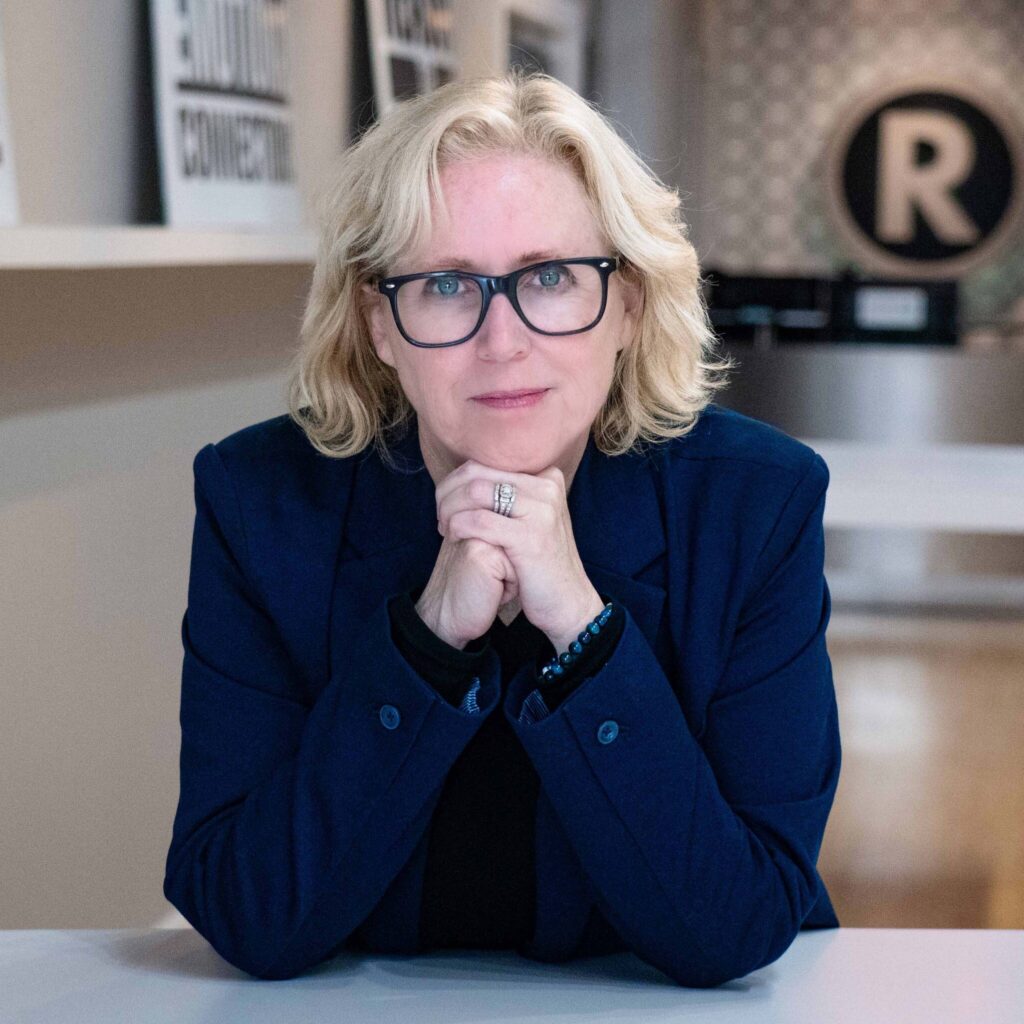
Jaci Russo, P.C.M., is the CEO and co-founder of brandRUSSO, a published author, entrepreneur, and sought-after speaker. She is the architect behind Brand State U, TrainYard Advisors, and co-host of the He Said, She Said, Razor Branding Podcast. Jaci is a civic leader, mentor, and mother of 4 and is part of the less than 1% of women-founded and led agencies in the U.S.

To learn more about brandRUSSO, subscribe to our blog , or add the He Said, She Said Branding Podcast to your playlist.
brandRUSSO was established in 2001 by Jaci and Michael Russo, representing a global portfolio of B2B clients in the professional services and manufacturing industries. As a strategic branding agency, we believe in the promise behind the brand, and that by changing the conversation we can inspire and motivate consumer behavior.