When AI Goes Wrong: How Coke Made Christmas Feel Creepy
By Michael J. Russo, Chief Creative Officer, brandRUSSO
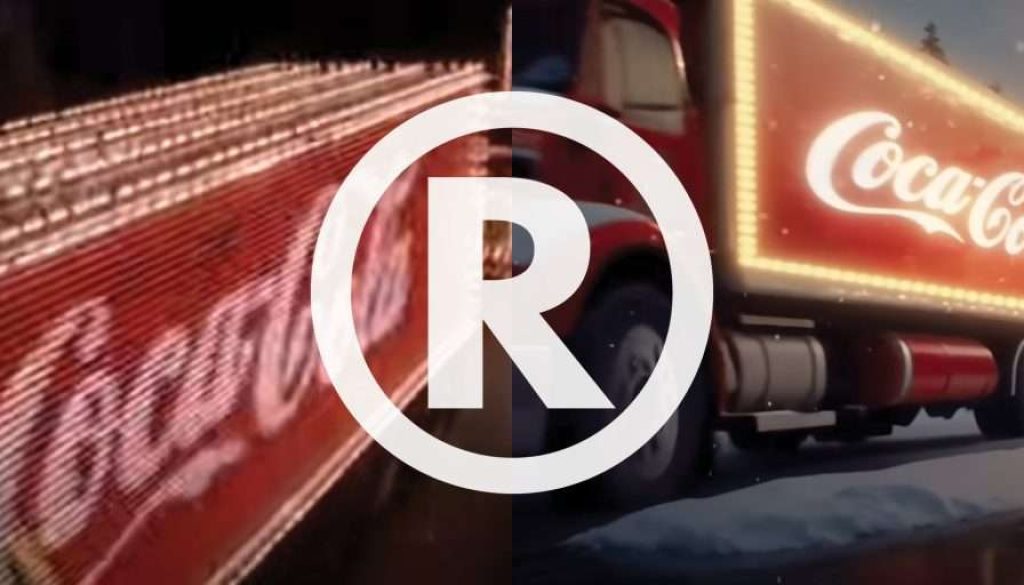
In 1995, Coca-Cola introduced one of the more memorable holiday campaigns in its historic advertising legacy: the iconic “Holidays Are Coming” commercial. The ad featured a convoy of brightly lit red trucks rolling through snowy landscapes, evoking heartfelt emotions and connecting audiences worldwide.
Fast forward to 2024 when Coca-Cola unveiled “The Holiday Magic is Coming,” a reimagined version of the classic campaign created using AI-generated visuals. While ambitious in its approach, the ad failed to strike the same emotional chord. The 15-second spot features AI-generated visuals based on the original. Notably, the ad replaced the traditional human portrayal of Santa Claus with AI-generated imagery, marking a significant departure from previous campaigns.
Coca-Cola’s 2024 “The Holiday Magic is Coming” AI-generated ad:
This comparison between the beloved 1995 campaign and its AI-driven successor serves as a reminder of the delicate balance brands must strike between innovation and authenticity. Especially during emotionally charged times like the holiday season, brands need to connect with their audiences on a human level—because it’s the heart, not just the technology, that makes a campaign truly timeless.
Original “Holidays Are Coming” ad from 1995:
While the integration of AI has opened new avenues for creativity and efficiency in the ever-evolving advertising landscape, Coca-Cola’s AI experiment serves as a cautionary tale, highlighting the potential pitfalls of relying too heavily on technology at the expense of authenticity.
Public Reaction: A Creepy Christmas
The reception to the AI-generated ad was overwhelmingly negative. Viewers described it as “creepy,” “soulless,” and a “dystopian nightmare.” Critics pointed out that the AI-rendered visuals lacked the warmth and authenticity that have been hallmarks of Coca-Cola’s holiday advertising. The absence of an actual human Santa was particularly jarring, making many feel that the ad failed to capture the season’s spirit.
The Dangers of Replacing Authenticity with AI
While AI offers remarkable capabilities, its application in areas requiring emotional resonance and human connection can be problematic. The Coca-Cola ad underscores several key concerns:
- Loss of Human Touch: The holidays are deeply rooted in human emotions and traditions. Replacing human elements with AI can strip away the personal connection that audiences cherish.
- Uncanny Valley Effect: AI-generated imagery that attempts to mimic human features can often appear unsettling, leading to discomfort rather than engagement.
- Erosion of Brand Trust: Consumers expect authenticity, especially from beloved brands. Overreliance on AI can be perceived as a lack of genuine effort, potentially damaging brand reputation.
Lessons Learned: Balancing Innovation with Authenticity
Coca-Cola’s experience offers valuable insights for brands considering AI in their marketing strategies:
- Maintain Core Brand Values: Innovation should not come at the expense of the elements that define your brand’s identity. Ensure that new technologies enhance rather than replace the authentic aspects that resonate with your audience.
- Test and Gather Feedback: Before launching AI-driven campaigns, conduct thorough testing and gather audience feedback to identify potential issues and gauge emotional responses.
- Blend AI with Human Creativity: Use AI as a tool to augment human creativity, not as a substitute. The most effective campaigns often result from a harmonious integration of technology and human insight.
While AI holds promise for the future of advertising, Coca-Cola’s 2024 Christmas ad serves as a reminder that technology cannot replace the authenticity and emotional depth that human elements bring to storytelling. Brands must tread carefully, ensuring that innovation enhances rather than diminishes the genuine connections they have built with their audiences.
We would love to hear what you think about Coke’s latest AI Holiday ads and what some of your favorites are from over the years.
To learn more about brandRUSSO, our Razor Branding™ process, and how Strategic Branding can help your business grow, visit brandrusso.com, subscribe to our blog, or download the latest He Said, She Said Razor Branding Podcast.

Michael J. Russo, co-founder of brandRUSSO, brings over 20 years of creative expertise to his role as Chief Creative Officer, having worked with a diverse range of clients from across the country. An award-winning art director, copywriter, and designer, Michael is a published author, Judge for the International TELLY, MUSE, and TITAN Awards, and co-host of the He Said, She Said, Razor Branding Podcast.

brandRUSSO was established in 2001 by Jaci and Michael Russo, representing a global portfolio of B2B clients in the professional services and manufacturing industries. As a strategic branding agency, we believe in the promise behind the brand, and that by changing the conversation we can inspire and motivate consumer behavior.