
Your Brand Identity: Raw and Real
Estimated Read Time: 3 minutes 33 seconds
In moments of self-doubt or reflection, we often find ourselves pondering the age-old question, “Who am I?” This existential inquiry isn’t just reserved for personal introspection—it has intriguing parallels in the corporate world.
Just as self-awareness is vital for personal confidence, a similar principle holds true for your B2B brand. Understanding your brand identity is not just about having a logo; it’s about tapping into the essence of your business. This awareness serves as the foundation upon which you can construct robust strategies and set meaningful goals. At brandRUSSO, we believe in the power of branding and the authenticity behind it, especially in the dynamic landscape of B2B interactions.
Brand Identity: Beyond the Logo
A brand identity encompasses what your brand communicates, its values, the way it presents its products, and the emotions it aims to evoke in customers. Think of it as the personality of your business and a promise to your clients.
Once a B2B business defines its brand identity, then it can understand the approach to take and begin implementing consistent visual and verbal elements across all communications and touchpoints, developing comprehensive brand guidelines, and continuously monitoring, adapting, and evolving its brand strategy to maintain relevance in the market.
Similar to personal growth propelling individuals forward, a well-defined brand identity propels businesses toward success, creating a lasting impression.
Aligning Brand Identity with Objectives and Goals
Now that you know your B2B’s identity, the next step is aligning it with your branding objectives and overarching business goals. Much like personal experiences, a brand holds different meanings for everyone. Similar to storytelling, your brand unfolds uniquely for each client/customer, with varying perceptions among your audience. Recognizing and embracing this diversity is paramount, providing insights to tailor your language, tone, and messaging for effective communication.
Navigating The Brand Gap
Marty Neumeier, the branding legend, says businesses aren’t confined to a singular brand; instead, there are a myriad of brands. Each individual perceives and understands a brand uniquely, giving rise to different expectations. The challenge lies in harmonizing these perceptions to establish a universal understanding of your brand’s promise – a monumental part of your strategy.
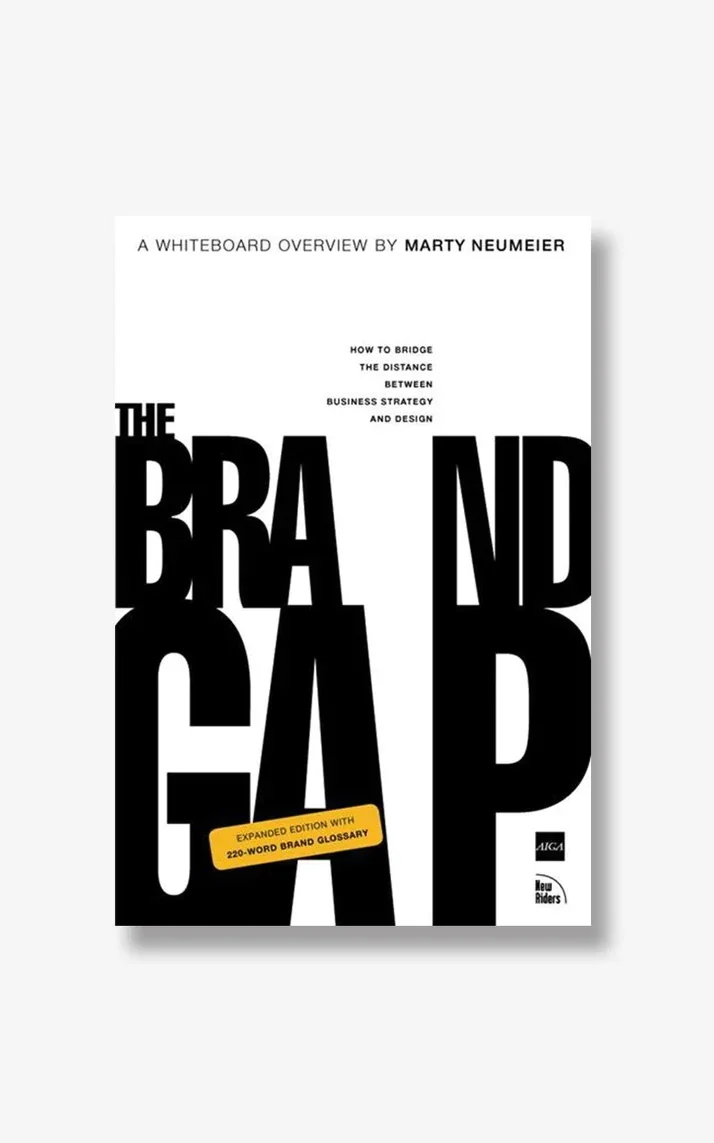
While Neumeier recognizes the complexity of managing varied brand perceptions, he also emphasizes the importance of creating a cohesive and consistent brand identity. In his book The Brand Gap, Neumeier introduces the concept of the “brand spectrum,” which illustrates the different layers of a brand. This includes the core values and attributes that define the brand essence, and outward expressions like logos and messaging.
Defining Your B2B’s Core Elements
Focus on the fundamental elements that make up the core of your brand. Clarify your B2B’s purpose, values, and unique selling propositions. Create a visually and verbally strong identity that consistently communicates these core elements across every touchpoint.
Example – B2B Clothing Manufacturer & Screen Printer Company:
- Purpose: To produce trademarked designs that elevate brand identities and contribute to sustainable fashion practices for businesses in the retail sector.
- Values: Creativity, Environmental Responsibility, Collaboration, Cost Efficiency.
- Unique Selling Propositions: Specializing in creating custom-designed t-shirts made from recycled and repurposed materials, fostering personalized client partnerships, and promoting eco-friendly practices throughout the production process.
Balancing Perceptions vs. Brand Identity
When it comes to brand identity, diverse interpretations abound. However, crafting a cohesive narrative requires establishing consistent and firm values that resonate universally. The challenge lies in harmonizing varied perceptions while preserving a consistent and authentic brand essence.
This leads us to a philosophical crossroads: our identity isn’t solely shaped by self-perception but influenced by how others see us. Understanding customer sentiments is crucial for growth, yet compromising on core values is non-negotiable. Consider the B2B Clothing Manufacturer & Screenprinter Company; if clients dislike the repurposed material, the commitment to environmental responsibility should still remain strong. Rather than abandoning principles, adjustments can be made while upholding the brand’s overarching value and belief in sustainability. You don’t have to compromise your values, but you can still make tweaks. For instance in the provided example, maybe there are ways to make the eco-friend material more durable or more comfortable.
Your declaration of what your B2B represents must be more than a mere statement—it’s a commitment. Navigating the multifaceted landscape of brand identity mirrors the complexities of self-perception. The key lies in steadfast belief, ensuring actions align with the stated identity.
Embracing Brand Identity
This process is not a challenge to shy away from but an integral part of sculpting a resilient and authentic brand identity. What you proclaim your B2B to be must not just be a reflection of your marketing strategy but a genuine embodiment of your beliefs.
Similar to the introspective question of “Who am I?” in real life, your B2B shouldn’t fear answering this question. Embracing your identity becomes the cornerstone of building a brand that is not only true to itself but resonates authentically with those it serves.
***
We could continue as the philosophies of identity may endure, but it’s a wrap on the blog. If you want to set up a Zoom and talk about your values and identity, call your therapist. If you want to discuss your B2B’s values and identity, call us. brandrusso.com

brandRUSSO was established in 2001 by Jaci and Michael Russo, representing a global portfolio of B2B clients in the professional services and manufacturing industries. As a strategic branding agency, we believe in the promise behind the brand, and that by changing the conversation we can inspire and motivate consumer behavior.